
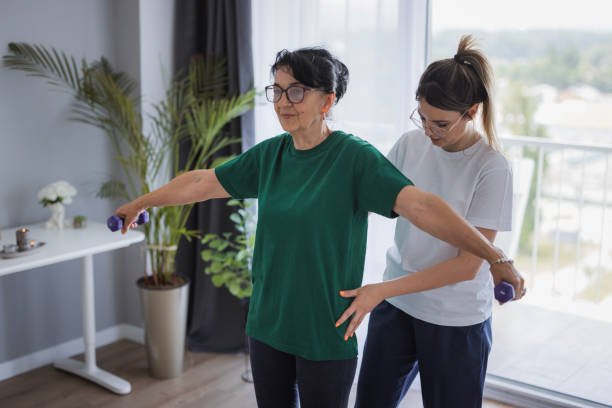
How to Improve Balance After 60 (Simple Daily Habits That Help)
One of the quiet changes many people notice as they get older is that balance doesn’t feel quite the same as it once did.
It might start with something small — feeling a little less steady walking down a hallway, stepping off a curb, or moving through a crowded space. Often it isn’t dramatic, but it’s noticeable.
The good news is that balance is something that can be improved. Like many aspects of health, it responds well to consistent movement and simple daily habits.
Many people over 60 begin looking for ways to improve balance because staying steady becomes more important for maintaining independence. The good news is that balance can often improve with simple daily habits such as walking regularly, strengthening the feet and legs, and practicing basic stability exercises. Small improvements in balance can help reduce the risk of falls and increase confidence in everyday movement.
Improving balance after 60 is possible with simple daily habits, consistent movement, and exercises that strengthen stability over time.
Improving balance after 60 is one of the most important things you can do to stay independent, prevent falls, and maintain confidence in daily life.
Why Balance Changes As We Age
As we get older, several things begin to affect balance:
muscles weaken slightly
reaction time slows
the nerves in our feet become less sensitive
we move less than we did when we were younger
These changes don’t happen overnight, but they can gradually affect stability.
That’s one reason falls become more common with age. Maintaining good balance helps support confidence, independence, and everyday mobility.
I wrote more about this idea in an earlier article on Why Balance Matters More Than Strength After 60.
Balance Is About More Than Strength
Many people think balance is mainly about leg strength. Strength is helpful, but balance actually involves several systems working together:
the muscles in the legs and feet
coordination between the brain and body
posture and core stability
consistent movement
This is why people who stay active often maintain better stability as they age.
In another article I talked about The Importance of Feeling Steady — Not Just Strong, because confidence in movement plays a huge role in independence.
Balance Exercises for Seniors You Can Do at Home
Improving balance does not require complicated equipment or long workouts. Many simple exercises can be done safely at home and help strengthen the muscles that support stability. Even practicing a few of these regularly can help improve coordination and confidence when walking or standing.
Simple balance exercises for seniors can be done safely at home and can significantly improve stability when practiced consistently.
1. Heel-to-Toe Walk
Walk in a straight line placing the heel of one foot directly in front of the toes of the other. This helps improve coordination and stability while walking.
2. Standing on One Foot
Hold onto a chair or counter for safety and lift one foot off the ground. Try holding the position for 10–20 seconds before switching legs.
3. Side Leg Raises
Stand behind a chair and slowly lift one leg out to the side. This strengthens hip muscles that help maintain balance.
4. Marching in Place
Lift one knee at a time as if marching. This improves coordination and strengthens the muscles used when walking.
5. Calf Raises
Stand with your feet shoulder-width apart and slowly rise onto your toes before lowering again. This strengthens the ankles and calves that help stabilize your body.
6. Sit-to-Stand
Practice standing up from a chair without using your hands. This exercise strengthens the legs and helps improve overall stability.
7. Weight Shifts
Stand with feet hip-width apart and gently shift your weight from one leg to the other. This helps train your body to maintain balance while moving.
Always perform balance exercises near a chair, wall, or countertop for support if needed, and consult a healthcare professional if you have existing balance or mobility concerns.
How Often Should You Do These Exercises?
Short answer:
Practicing these exercises for just 10–15 minutes a day can make a noticeable difference over time
I discussed this idea further in my article on What Daily Consistency Looks Like When Progress Is Slow.
Small Improvements Add Up Over Time
Balance rarely improves overnight.
Instead, it usually gets better gradually through steady practice and movement. The key is to keep moving and remain aware of how the body feels.
Many people find that even a few minutes of balance-focused movement each day can lead to noticeable improvements in confidence and stability.
Staying Independent Starts With Movement
Maintaining balance is about more than avoiding falls. It’s about preserving independence and confidence in daily life.
Simple daily habits such as walking, strengthening the feet, and practicing balance can help support long-term mobility and stability.
Small efforts today can help make everyday movement feel easier and safer in the years ahead.
Read My Article. A Simple Guide to Health & Independence After 60