
My Experience Using a Balance Program After 60 (What Actually Helped Me Improve Stability)
A few months ago I noticed something that made me stop and think.
While helping with the collection at church, I realized that walking down the aisle didn’t feel quite as steady as it once had. It wasn’t dramatic, but it was noticeable. I felt a slight lack of balance that I hadn’t really paid attention to before.
That moment made me start thinking more seriously about balance and stability as we get older.
This topic is part of a larger guide on maintaining health and independence after 60, which you can read Here.
Like many people, I had always thought about staying strong and active, but I hadn’t given much thought to balance itself.
Balance Matters More Than We Realize
As we age, balance becomes one of the most important parts of staying independent.
Feeling steady when you walk, turn, or step down from a curb affects everyday life. When balance begins to change, even slightly, confidence can change too.
That’s one of the reasons I wrote earlier about Why Balance Matters More Than Strength After 60. Strength is important, but balance plays a huge role in preventing falls and maintaining independence.
Starting a Daily Balance Routine
After noticing that moment at church, I decided to start working on balance more intentionally.
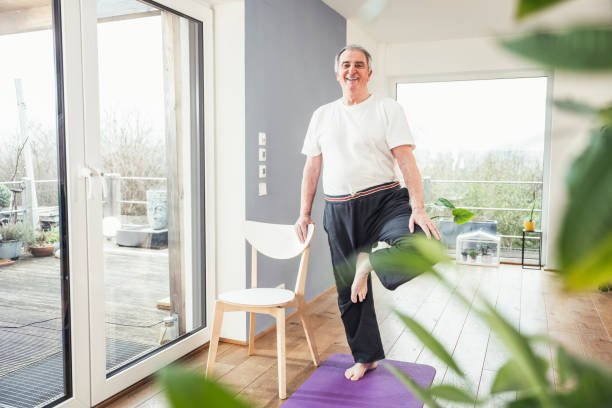
I began following a balance training program that focuses on strengthening the feet and improving stability. The routine is simple and takes about 15–20 minutes a day.
The program has three levels:
- beginner
- intermediate
- advanced
At first I worked through all three levels fairly quickly, but I realized I was moving too fast. So I went back to the beginner level and decided to stay there longer.
That turned out to be a good decision.
I’ve learned that when it comes to balance training, consistency matters much more than speed.
What I’ve Noticed So Far
I’m still working on it every day, and progress takes time.
But I have noticed something encouraging.
Recently my wife and I were again helping with the collection at church, and I felt noticeably steadier walking down the aisle than before. It wasn’t a dramatic change, but it was enough to tell me that the daily practice is helping.
Small improvements like that can make a big difference in confidence.
The Importance of Consistency
One of the biggest lessons I’ve learned is that balance training isn’t something you do once in a while.
I try and do it everyday. Even though I am on the Intermediate level I am in no hurry to move to the advanced level. Some days are different than others. Some days seem easy and other days are more challenging. I feel this is normal.
Even 15 minutes a day can help build strength and coordination over time.
That’s something I also talked about in another article called What Daily Consistency Looks Like When Progress Is Slow. Small daily habits often produce the most lasting results.
The Program I Decided to Try
The program I’ve been using is called Neuro-Balance Therapy. I decided to try it because it focuses specifically on strengthening the nerves and muscles in the feet that help control balance.
The exercises are simple, and they’re explained step by step, which makes them easy to follow.
If you’re curious about the program I’ve been using, you can learn more about it here:
See the balance program I’ve been using.
Of course, everyone should move at their own pace and consult a professional if they have health concerns. What matters most is simply staying active and continuing to work on balance as we age.
Final Thoughts
One thing I’ve come to believe is that independence later in life depends on a few simple things:
- staying active
- maintaining balance
- continuing to move every day
Balance may not be something we think about much when we’re younger, but as we get older it becomes one of the keys to staying confident and independent.
For me, spending a few minutes each day working on balance feels like a worthwhile investment in the future.