
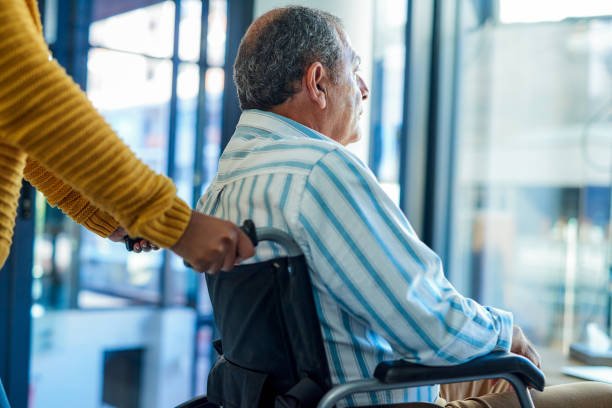
Why Recovery Takes Longer Than We Expect — And Why That’s Okay
Most of us understand recovery in theory.
You get sick.
You rest.
You recover.
You move on.
But later in life, recovery often doesn’t follow a neat timeline.
And that can be unsettling.
When “Better” Isn’t the Same as “Back to Normal”
After an illness, injury, or health scare, there’s often a moment when the worst has passed.
The fever is gone.
The treatment is finished.
The doctor says things look stable.
Yet something still feels off.
Energy hasn’t fully returned.
Confidence lags behind ability.
The body feels slower to respond.
This is where frustration often sets in.
The Expectation Gap
Many seniors struggle not with recovery itself — but with expectations.
We expect:
progress to be steady
improvement to be obvious
recovery to look like it used to
When that doesn’t happen, we start asking:
“Why is this taking so long?”
“Is something wrong?”
“Will I ever feel like myself again?”
Those questions are natural — but they’re often based on outdated assumptions.
Aging Changes the Pace, Not the Outcome
One of the hardest things to accept is that aging changes how long recovery takes — not necessarily whether recovery happens.
The body still heals.
It still adapts.
It still responds.
It just does so more gradually.
That slower pace isn’t a failure.
It’s a reality of biology and experience.
Why Pushing Too Hard Can Backfire
When recovery feels slow, the instinct is often to push harder.
Do more.
Rest less.
Force momentum.
But many seniors discover that pushing too hard:
prolongs fatigue
increases setbacks
undermines confidence
Recovery at this stage often responds better to:
consistency
gentleness
patience
listening carefully to signals
Progress becomes quieter — but more sustainable.
Patience Is an Active Skill
Patience during recovery isn’t passive.
It doesn’t mean giving up or resigning yourself to less.
It means:
allowing time without self-criticism
recognizing small improvements
accepting uneven days
trusting gradual change
That kind of patience takes strength.
Why Comparison Makes Recovery Harder
It’s easy to compare:
this recovery to past recoveries
your progress to someone else’s
where you are now to where you wish you were
But comparison often ignores context.
Your body today carries:
more history
more responsibility
more wear
more wisdom
Expecting it to behave like it did decades ago only adds unnecessary pressure.
Read My A Simple Guide to Health & Independence After 60
Recovery Isn’t Linear — And That’s Normal
Many seniors notice:
good days followed by tired ones
progress that stalls briefly
confidence that wavers before returning
This doesn’t mean recovery has stopped.
It means the body is adjusting — not racing.
For me, paying attention to balance has become part of how I think about steady recovery and long-term independence.
The Takeaway
If recovery feels slower than expected, it doesn’t mean you’re stuck.
It usually means you’re healing at a pace that respects where you are now.
Patience isn’t something you need because you’re weak.
It’s something you need because your body is doing careful, deliberate work.
And that work deserves time.
Suggested Readings:
.